Welcome to Youth Alive Zimbabwe
We are a faith-based private voluntary organization managed by the Franciscan Missionary Sisters for Africa (FMSA). Since 1999, we are helping build safe, resilient, and inclusive communities where all individuals live a life of dignity and purpose regardless of religious background, socioeconomic status, or location.
Our Core Values
INTEGRITY
In every program Youth Alive runs from mentorship circles to climate adaptation projects. We act in line with our mission and the Franciscan and Catholic ethos, ensuring that our actions match our promises. This builds trust with the children, families and partner churches we serve, allowing us to influence lives honestly and consistently.
RESPONSIBILITY
We take ownership of the resources entrusted to us, whether they are funds from donors, volunteer time, or community space. By meeting our commitments delivering project activities on schedule, reporting progress transparently, and adapting when challenges arise. We demonstrate accountability to both supporters and the communities that rely on us.
TRANSPARENCY
Youth Alive shares its plans, budgets and outcomes openly with stakeholders: donors receive clear financial statements, partner organizations see project results, and participants know how their input shapes activities. This openness invites feedback and strengthens collaboration.
SOCIAL JUSTICE
Our work aims to level the playing field for Zimbabwe’s youth, regardless of faith, income or location. By promoting equal access to education, sustainable livelihood skills and leadership opportunities, we confront systemic inequities and empower marginalized young people to become agents of change in their own communities.
BECOME A VOLUNTEER TODAY AND MAKE A DIFFERENCE
In The News
News and articles on our activities and projects.
YAZIM Learning Brief – Women Empowerment
YAZIM – SASA! FAITH LEARNING BRIEF
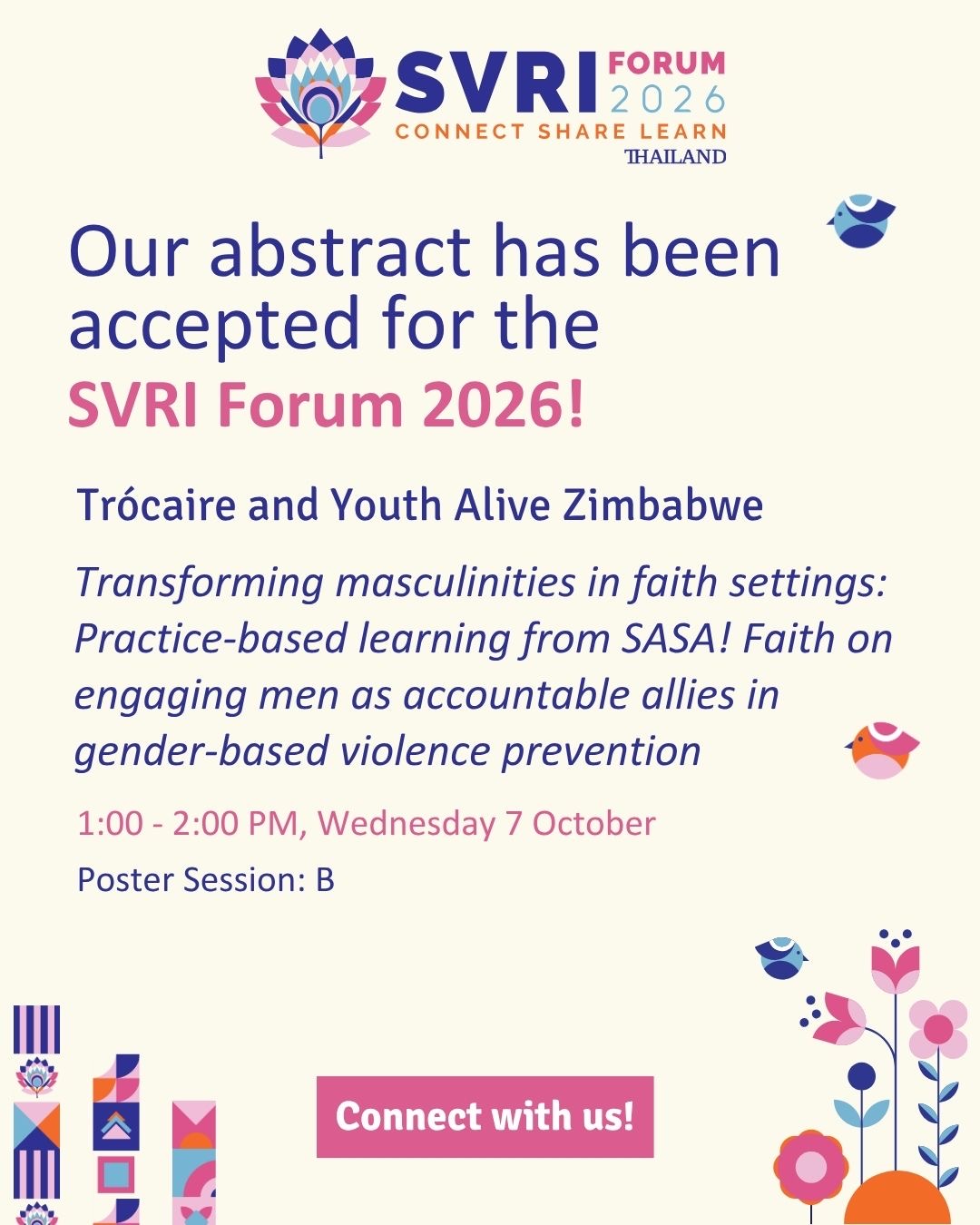
The SASA! Faith Methodology engages faith community members in challenging harmful social and religious norms that perpetuate violence
against women, while promoting gender equitable relationships. The methodology further promotes the adoption of Christian values of justice, peace and dignity and encourages couples to explore non-violent constructive ways of addressing conflict rather than resorting to violence. The approach engages all circles of influence within the community including religious leaders, community leaders, congregants and individual families to build a critical mass of individuals and households that actively support and model non-violent relationships. In Zimbabwe, the intervention is being implemented with support from Trócaire through its Irish Aid funding. Now in its third year of implementation, SASA! Faith is already demonstrating promising results, with notable shifts in attitudes and behaviours observed across target communities. The SASA! Faith intervention is being implemented across various faith spaces in Wards 1, 6, 21 and 27
of Mutasa District. In addition to working through churches and other religious platforms, the intervention employs a range of social diffusion strategies to ensure key messages also reach non-faith-affiliated community members. This learning brief presents an overview of the intervention’s impact on women’s economic empowerment, featuring insights and testimonies from community members from the target areas.
Women realising their power within and economic potential
Community activists, who serve as the project’s frontline cadres, conduct targeted sessions within various faith spaces, including women’s associations. These sessions provide a platform for women to reflect on different forms of power including power within, power over, power with and power to. A key focus has been on fostering “power within”, helping women recognize their inherent strength and capacity to influence change in their own lives and communities.
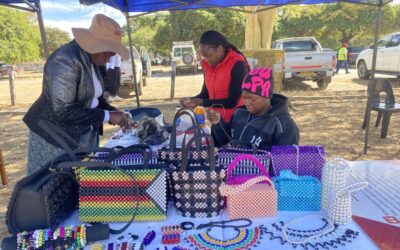
Reflections from female participants revealed that these conversations have ignited a deeper awareness of their potential, inspiring many to build self confidence and pursue financial empowerment. Three female Community Activists from ward 6, Mutasa were inspired by the SASA! Faith sessions to form an ISAL (Internal Savings and Lending) group to support their individual income generating initiatives. They shared that the sessions helped them understand the importance of women’s financial independence as a key strategy to reduce economic dependency on their husbands, a factor they recognized as increasing vulnerability to violence.
This story is increasingly common among women who have participated in the SASA! Faith sessions. Many have gone on to establish their own income generating projects demonstrating the intervention’s potential to positively influence women’s participation in economic activities.
Women involved in household financial decision making and asset ownership
Beyond promoting justice, peace and dignity the Community Activists facilitated discussions on joint financial decision making and women’s
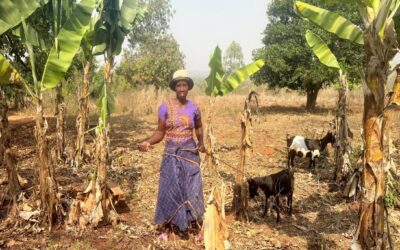
involvement in asset ownership.These sessions encouraged both men and women to reflect on the value of shared economic participation and jointly planning how household income is allocated. It is also notable that women are increasingly using their income to invest in productive assets, marking a shift from previous spending patterns where their purchases were largely limited to smaller household items such as pots and blankets. One female participant from Ward 6 shared that, instead of using her income to purchase household items like pots and plates as she used to in previous time, she invested in 25 layers to start a poultry project. This initiative has enabled her to sell eggs daily, generating regular income while also improving her family’s nutrition.
“While small livestock is often considered a woman’s asset, the income from its sale traditionally came to me as the head of the household. However, after engaging in the SASA! Faith sessions, I realised the importance of involving my partner in financial decisions and giving her the space to manage our projects, including the proceeds from sales”. (Community man, ward 6)”
Women seizing employment opportunities
In many patriarchal communities, it is traditionally expected that men are the primary seekers of formal employment, while women remain in the domestic sphere. However, the SASA! Faith intervention has contributed to shifting these attitudes. Through the sessions, men began to reflect on and challenge the belief that women who pursue formal employment become less submissive or towards their partners.
The CAs facilitated dialogues that encouraged men to consider the benefits of a dual income especially in the context of today’s challenging economic conditions where a single income often falls short of meeting household needs.
In one example from Ward 1 in Honde Valley, a man who had previously opposed his wife seeking employment changed his stance after participating in SASA! Faith sessions. “…I stopped my wife from working because I thought a good wife stays at home. During the SASA! Faith sessions, I learned how power works in our home and how my fear shaped my decisions. I saw how her income supports our family and gives her dignity. I now support her work and we plan together as equals.”
Male participant, SASA! Faith dialogue session. This man supported his wife in accepting a job offer at Katiyo Estates. She is now formally employed and making a meaningful contribution to their household income.
SASA! Faith’s deliberate engagement of men on issues of violence against women enhanced their understanding of the various forms of violence including economic violence. Through reflections on the importance of supporting women’s empowerment, many men began to actively support women’s inclusion in household decision making and participation in economic activities.
Women in Leadership
When Men Step In
Gallery
Activities and projects.