
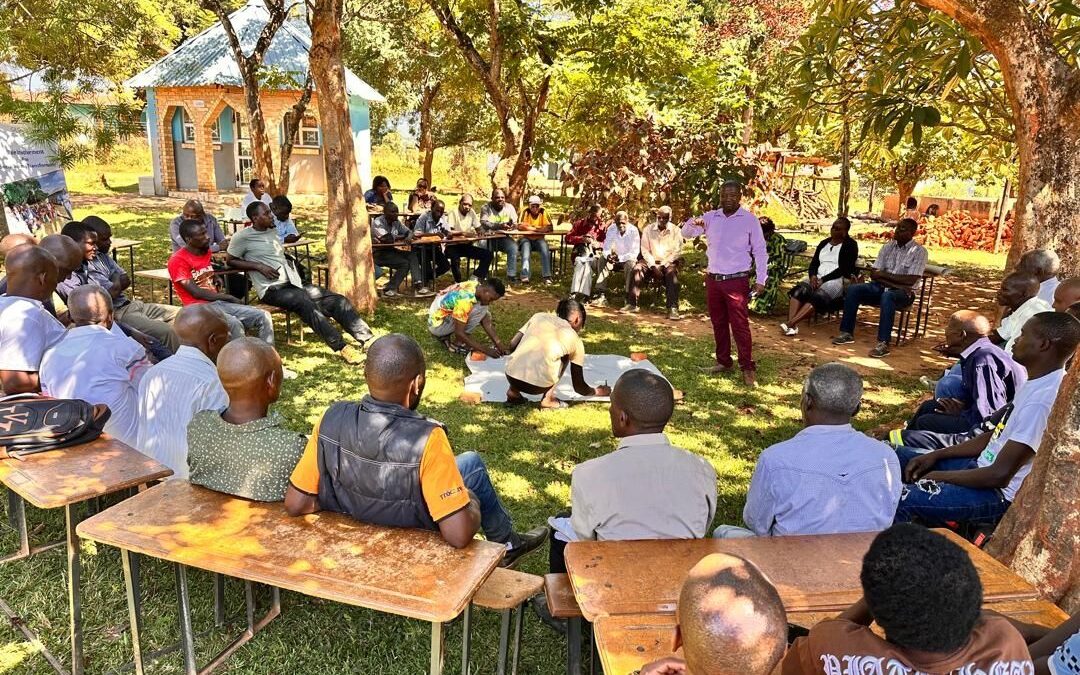
Under a large tree at a local school in Honde Valley, Mutasa District, a group of men gathered for a conversation that many communities rarely create space for. There were no banners, no formal speeches, and no prepared answers. Instead, the gathering centred on honest reflection, with participants invited to examine the pressures they carry and how those pressures influence life within their homes.
The discussion opened with a simple yet thought provoking question: “What pressures do you carry into your home every day?”
The responses reflected the realities many families experience. Men spoke about financial hardship, unemployment, debt, the expectation to provide, fear of losing respect, emotional exhaustion, and the weight of community expectations. None of these challenges excuse violence against women and girls. They do, however, create an opportunity to examine how unresolved stress, silence, and harmful beliefs about masculinity influence behaviour within families and relationships.
This conversation formed part of Youth Alive Zimbabwe’s Male Engagement Initiative, which works with men as partners in preventing violence against women and girls. Rather than telling participants what to think, the session encouraged them to reflect on power, relationships, responsibility, and the choices they make before conflict escalates into abuse.
This approach recognises an important truth. Violence rarely begins with physical harm. More often, it begins with beliefs about power, control, entitlement, and gender roles. When communities leave these beliefs unchallenged, they become accepted social norms that pass from one generation to the next, reinforcing inequality and sustaining cycles of violence.
Many programmes seek to address violence through awareness campaigns, public messaging, and policy reforms. These interventions play an important role, yet information alone rarely changes behaviour. People do not abandon deeply held beliefs after attending a single workshop or listening to one radio programme. Lasting change begins when individuals question assumptions they have accepted throughout their lives and when communities create opportunities for honest reflection and dialogue.
That is precisely what happened in Honde Valley.
Local facilitators and faith leaders guided the discussion because they understood the community’s social realities and the challenges men face. Their approach created an environment where participants felt able to speak openly rather than defensively. Men reflected on anger, disappointment, financial stress, family conflict, and the expectations placed upon them as husbands and fathers. More importantly, they examined how these experiences shape the way they relate to their partners and children.
One exercise presented participants with everyday situations involving household finances, parenting, and disagreements between couples. Rather than focusing on who was right or wrong, facilitators invited the group to consider a different question: “What does responsible leadership look like in this situation?”
The discussion gradually shifted from ideas of authority and control towards concepts of listening, shared decision making, self-control, accountability, and mutual respect. Participants began to recognise that effective leadership within the home is not demonstrated through fear or dominance, but through the ability to manage emotions, resolve conflict peacefully, and create relationships built on trust.
This lesson extends far beyond one community discussion. Healthy families flourish when respect replaces control and dialogue replaces violence. Preventing violence against women therefore requires communities to redefine what strength and leadership look like, particularly for men and boys who have grown up surrounded by harmful expectations about masculinity.
Faith leaders have a unique role in supporting this transformation.
Across many rural communities, churches remain among the most trusted institutions. Religious leaders influence family life, mediate conflict, and help shape community values. Their voices carry authority that extends far beyond the walls of a church building.
When pastors and church elders speak openly about dignity, equality, and non-violence, they challenge harmful social norms while reinforcing values of compassion, justice, and mutual respect. They also create opportunities for men to reflect on their behaviour without fear of humiliation, while remaining accountable for the harm violence causes. This balance is essential because shame rarely produces lasting behaviour change. Honest reflection, accountability, and continued support provide a stronger foundation for personal transformation.
Experience from community programmes continues to demonstrate another important lesson. Men participate more openly when discussions acknowledge both responsibility and reality. Many carry economic pressures, unresolved trauma, and deeply embedded messages about what society expects from men. These experiences never justify violence. They do, however, highlight why prevention efforts must address the underlying drivers of harmful behaviour alongside clear accountability.
When facilitators create safe spaces for honest dialogue while maintaining a firm position that violence is unacceptable, men become more willing to question long held beliefs and consider healthier ways of responding to conflict. These conversations create opportunities for lasting behaviour change because they encourage reflection rather than resistance.
Ending violence against women requires far more than legislation, awareness campaigns, or annual commemorations. Sustainable change depends upon trusted local leadership, consistent community dialogue, and the willingness of men to examine how power is exercised within relationships. Every community has a responsibility to create environments where respect, equality, and accountability become the norm rather than the exception.
You have a role to play in this process.
Whether you are a community leader, faith leader, parent, teacher, or neighbour, your everyday actions influence the attitudes and behaviours of those around you.
You can begin by creating opportunities for honest conversations where men and boys feel able to discuss pressure, emotions, relationships, and conflict in healthy ways. You can also challenge harmful beliefs whenever they arise by questioning ideas that associate masculinity with dominance or control and by promoting respect, equality, and shared decision making within your family, workplace, church, or community. Finally, you can model the behaviour you hope to see in others by resolving conflict peacefully, treating women and girls with dignity, and holding yourself and those around you accountable whenever harmful behaviour occurs.
The gathering beneath that tree in Honde Valley was never about taking power away from men. Instead, it invited participants to rethink what leadership means within the family and the wider community. The men who took part discovered that true strength is reflected in the willingness to listen, to reflect, to change, and to protect the dignity of others.
Every conversation that challenges harmful norms brings communities closer to a future where women and girls live free from violence. When voices replace fists, homes become safer, relationships become healthier, and communities become stronger.
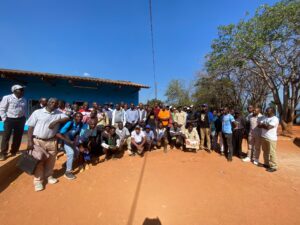 Men in Action cohort from Gatsi ward 6, Mutasa